
ARC in Action
While our initial work is focused on food systems, where ARC is currently exploring new approaches to food recovery, local agriculture, nutrition security, and the infrastructure that connects them, our methodology is designed to be applied to complex social challenges beyond food systems.
Our past and current projects include:
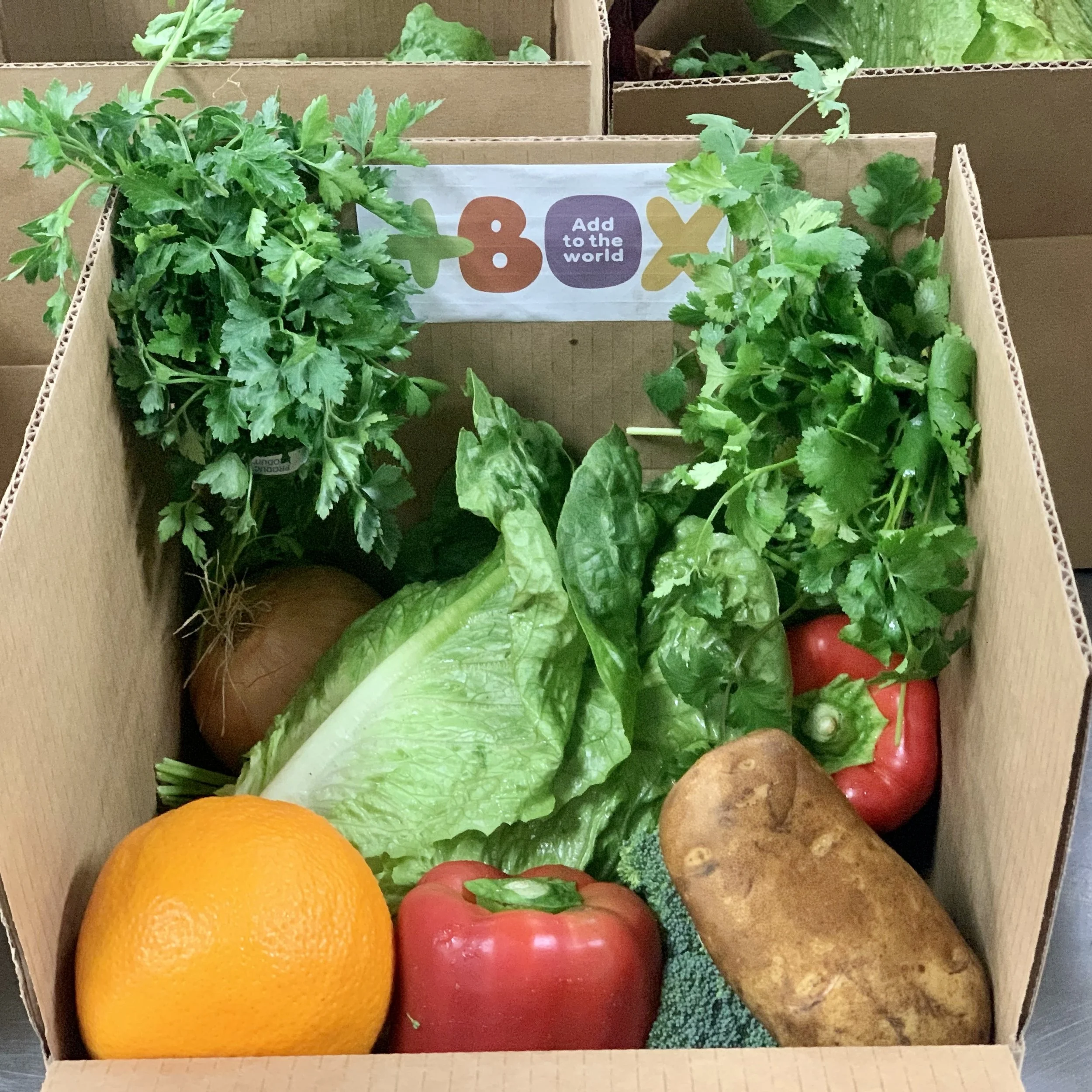
+BOX
Can food assistance do more than relieve hunger—improving nutrition and health, supporting student success, centering the human experience, and strengthening environmental and food system sustainability?
Yes. Launched in 2020, +BOX tested a different approach to food assistance: providing families with consistent, community-based access to fresh fruits and vegetables through a model built around neighborhood schools, food recovery partners, and local farms. Over four years, +BOX grew from a small pilot into a proven nutrition security model, distributing more than 1.4 million pounds of fresh produce before merging with Brighter Bites, a national nutrition and health nonprofit, in January 2025. Since the merger, the San Diego program has more than doubled its reach while operating at roughly half the cost—demonstrating how a promising idea can be tested, refined, and ultimately scaled through the right partnership.
Regional Food Recovery Intelligence Platform
Can existing food-recovery data make the regional system smarter and more efficient?
In partnership with ProduceGood and regional food-system stakeholders, ARC is exploring how SB1383 compliance, food donation, geographic, and operational data could be used to transform food recovery from a reactive donation network into an intelligent, data-driven regional infrastructure that maximizes recovery, strengthens compliance, improves operational efficiency, and increases environmental, economic, and community impact. Initial R&D will determine whether the necessary data exists, whether it can generate useful operational insights, and whether the concept warrants broader development.
+BOX CONNECT
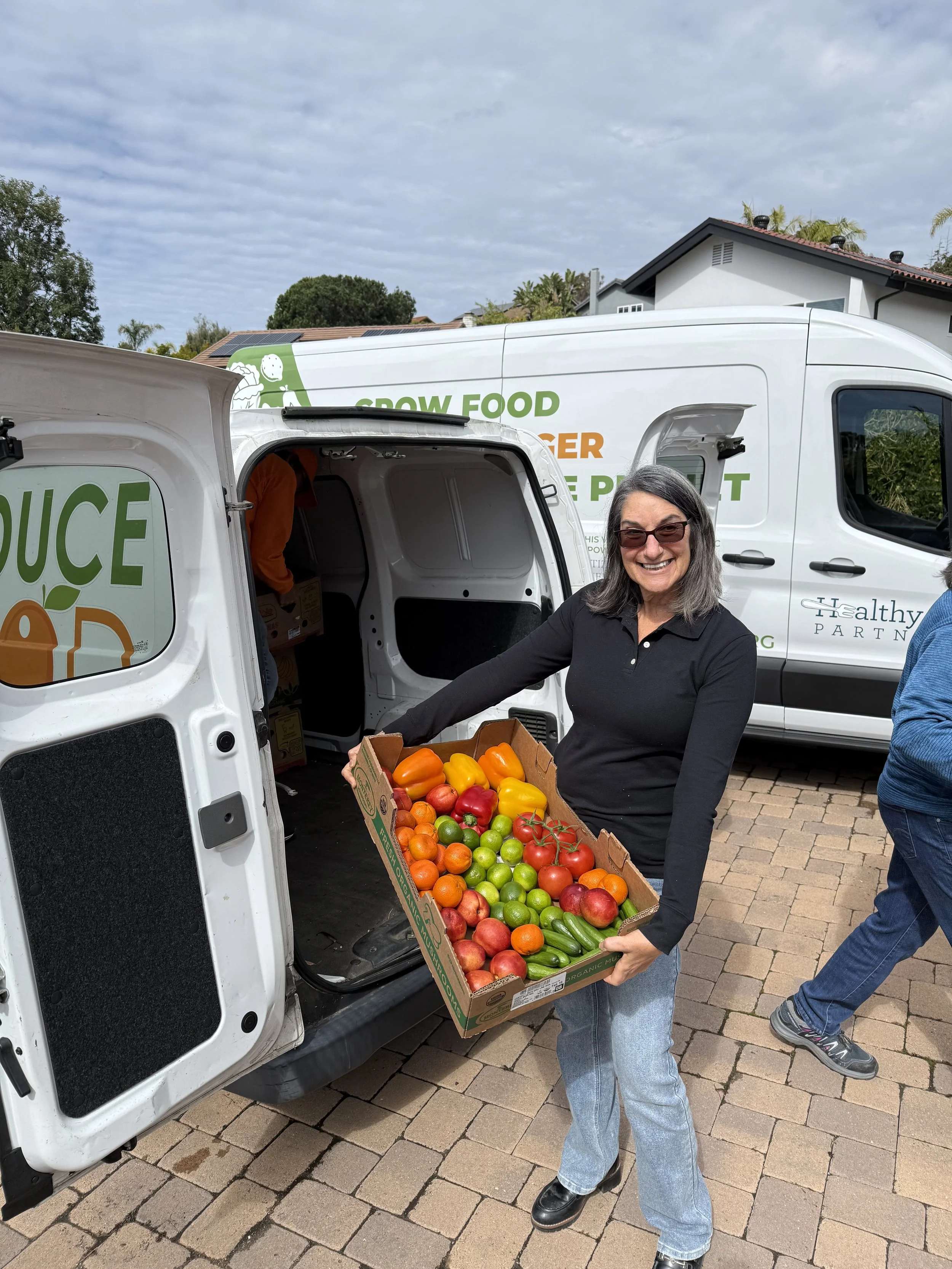
Can a triage and secondary-use system increase the amount and value of edible food recovered while improving the economics of food recovery?
Fresh Out that would add and test a triage step to the food recovery system—keeping inedible food in appropriate organic waste streams while directing edible food to its highest and best use, either via direct distribution channels or processing into prepared meals. The pilot would also test a new economic model designed to reduce “donation dumping,” lower downstream costs, and help compensate nonprofits for the real costs of recovering and redistributing food.
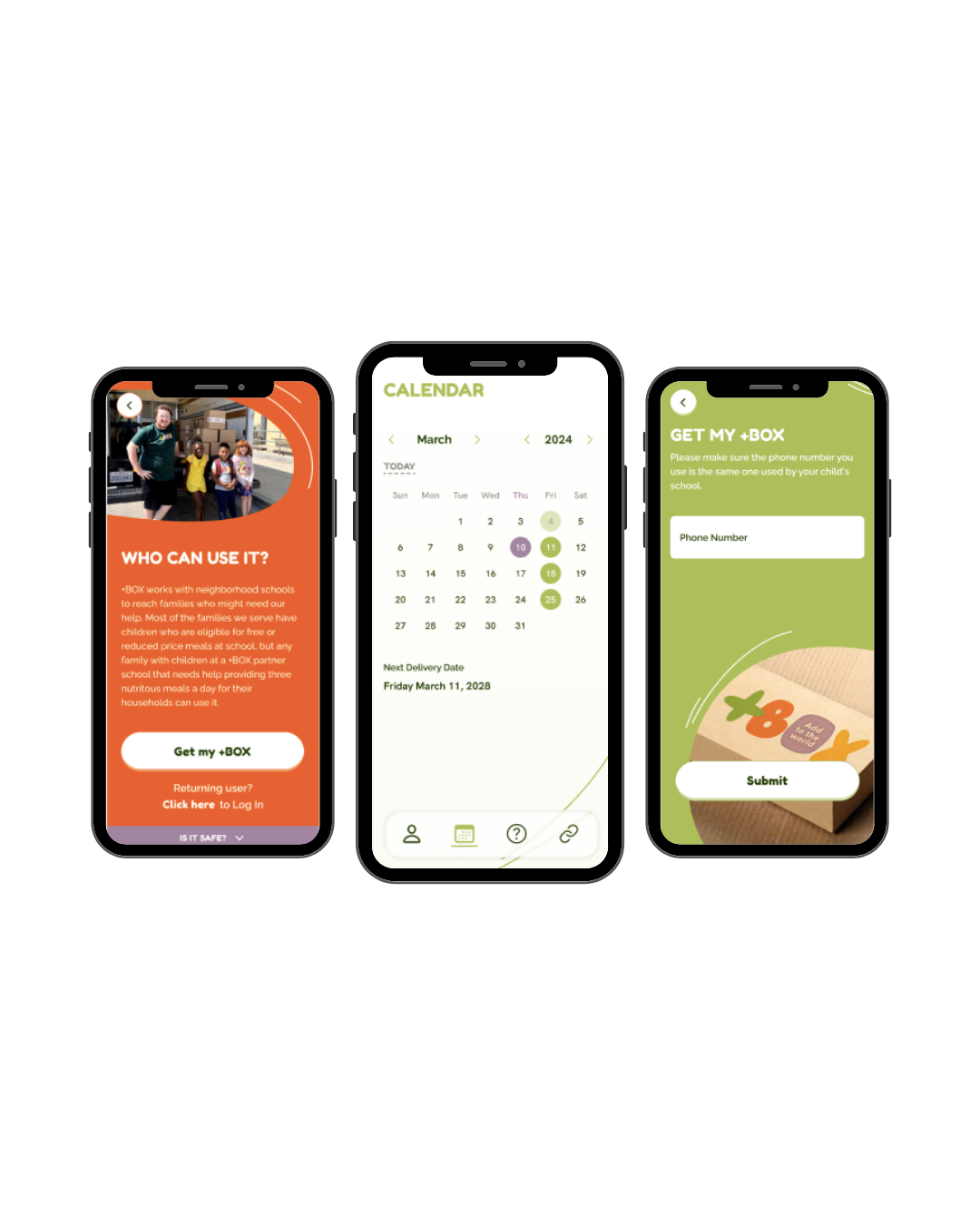
Can we integrate existing systems to make it easier for food-insecure families to find and access the support they need?
With funding from the USDA Local Food Promotion Program and in partnership with Bella Mente Montessori Academy, +BOX Connect explored whether existing school data systems could be used to make food assistance easier and more accessible for families.
The project designed, developed, and tested a mobile-optimized web application that allowed families to privately opt in to available food assistance programs—reducing barriers to access while automating much of the administrative work required of schools and service providers. A working minimum viable product (MVP) was piloted in a school setting to test the concept, identify opportunities for improvement, and establish a potential pathway toward broader implementation.
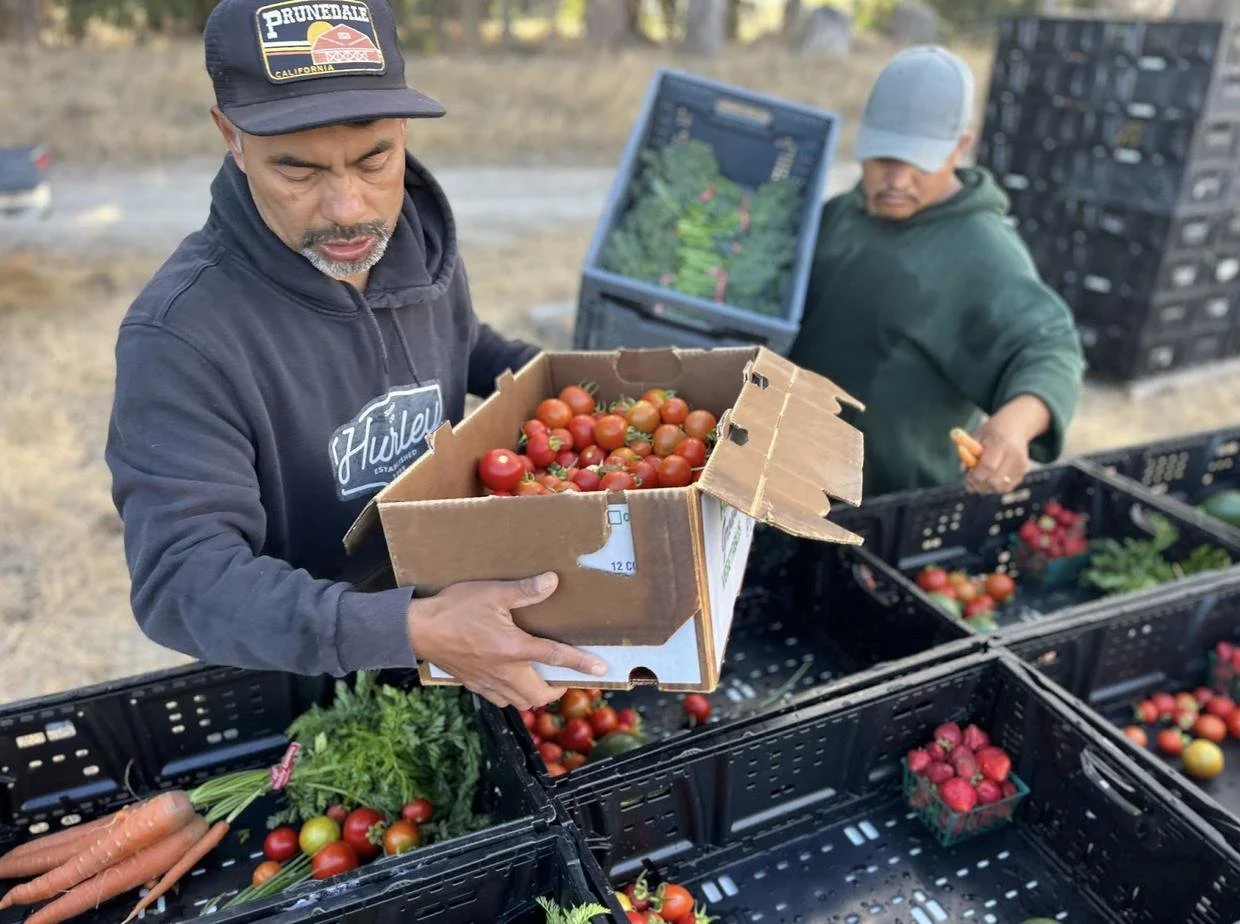
Fresh Out Triage & Secondary Use System
San Diego Ag Exchange
How can we create new, reliable markets for small local farms while increasing access to fresh, locally grown food?
ARC is working alongside local farmers, community food organizations, and Cal State San Marcos to explore whether stronger connections between local agriculture and the nutrition security sector can create reliable new market opportunities for small farms while improving access to fresh, locally grown food. Initial research and stakeholder discovery will help identify barriers, needs, and opportunities—and inform the design and testing of a new healthy food infrastructure model connecting local supply with community demand.